In a UAE government media briefing today, the country confirmed that since the start of the attack, air defence systems have dealt with 812 Iranian drones, out of which 755 were intercepted
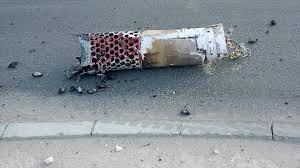
The UAE confirmed that none of the injuries recorded since the start of the Iranian strikes were caused by the attack itself, but “occurred as a result of the interception operations.” Speaking during the UAE Government’s media briefing on the latest developments, Brigadier General Staff Abdulnasser Mohammed Al Hamidi, official spokesperson of the Ministry of Defence, said that when air defence systems intercept hostile missiles and drones, debris may scatter — and that all recorded minor injuries and damages were linked to such interception fragments rather than direct hits on targets within the country.
He said the sounds heard in various areas across the UAE were the result of air defence systems intercepting ballistic missiles and UAE fighter jets confronting hostile drones and cruise missiles.
Providing updated figures, the Ministry said 812 Iranian drones had been detected since the start of the aggression, of which 755 were intercepted, while 57 fell within the State’s territory. Eight cruise missiles were also detected and destroyed. The incidents resulted in three fatalities, 68 minor injuries, and minor to moderate material damage to a number of civilian properties.
The spokesperson added that since the beginning of the Iranian aggression, UAE air defences had dealt with 186 ballistic missiles launched toward the country. Of these, 172 were destroyed, 13 fell into the sea, and one ballistic missile fell within the State’s territory.
He reiterated that the Armed Forces remain on full alert and fully prepared to confront all threats, regardless of their source or nature, and will not hesitate to take necessary deterrent measures to protect the security and stability of the nation.
The briefing involved officials from different UAE departments, conveying to the public that the country remains ready to combat any attacks no matter how long it takes.
The country’s National Emergency Crisis and Disaster Management Agency said essential services are operating without disruption, and business continuity plans have been activated.
Reem Al Hashimy, UAE’s Minister of State for International Cooperation, called for a “return to the negotiating table as the only rational way to contain the crisis and prevent its escalation.”
She stated that while the country pursues de-escalation, the Emirates also reserves its right to respond.
Meanwhile, Abdullah bin Touq Al Marri, Minister of Economy and Tourism, sought to reassure the public that the country “maintains a strategic stockpile of essential goods sufficient to cover market needs for 4 to 6 months”. There are no indicators of supply chain disruptions, import flows are proceeding according to plan, and authorities are monitoring price stability, he said.